Showing posts with label health. Show all posts

Thursday, July 4, 2024

American Ginseng: A Multifaceted Herbal Remedy

Panax quinquefolius, commonly known as American ginseng, is renowned for its role as a tonic and natural stress reducer. Traditional Chinese Medicine values it for enhancing qi, or life force, promoting overall well-being. The genus name "Panax" is derived from the Greek words "pas" (all) and "akos" (cure), highlighting its historical reputation as a universal remedy. This connection extends to Panacea, the Greek goddess believed to heal all diseases and maintain good health.

Moreover, Panax quinquefolius is reputed as an aphrodisiac, contributing to its diverse therapeutic profile. It contains triterpenoid saponins known as ginsenosides, which are responsible for many of its health benefits. Recent studies have shown that ginsenosides possess anti-inflammatory, antioxidant, and neuroprotective properties, further supporting its traditional uses. As research continues, Panax quinquefolius remains a significant herbal remedy with a broad spectrum of health benefits.
American Ginseng: A Multifaceted Herbal Remedy

Tuesday, September 20, 2022

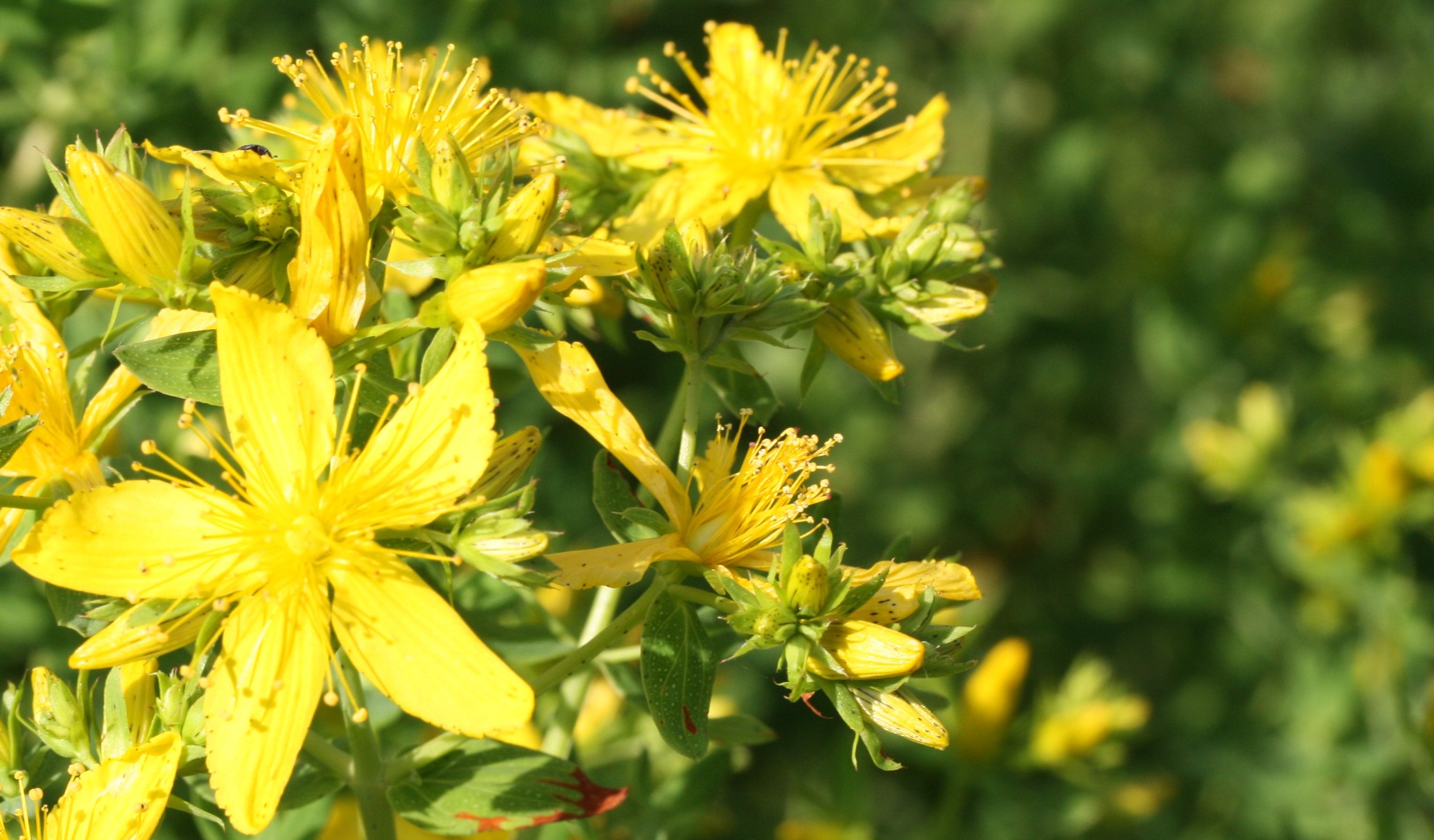
St. Johns’ Wort (Hypericum) and depression

Hypericum is a genus of about 450 species of trees, shrubs and herbs that occurs on all temperate parts of the world.

Hypericum or St. Johns’ Wort is the most widely used herbal antidepressant in the world. It is an effective treatment of mild to moderate depressed mood.

In Western Europe and the United States, St. John’s wort is the most widely used natural product to treat depressed mood.

Extracts from St. Johns’ Wort appear to exert an antidepressant action via weak inhibition of the enzymes monoamine oxidase, as well as a number of other effects on the central nervous system.

Use of St. Johns’ Wort dates back to the Middle Ages, when it was used to treat insanity resulting from ‘attack of the devil’.

It was named St. John’s in reference to St, John’s Day on the medieval church calendar because it blooms near that day.

It was found that its action was due to the substance named hypericin. St. Johns’ Wort is tolerated well by patients and has a very low incidence of adverse effects when taken properly.

St. Johns’ Wort extract was more effective than placebo in treating mild to moderate depression and patients taking the extract had no more negative side effects, than those people taking placebo.
St. Johns’ Wort (Hypericum) and depression 

Tuesday, January 12, 2021

Chrysanthemum tea

Chrysanthemum morifolium Ramat is a perennial flowering plant widely cultivated for use in a tea infusion and as a popular beverage.

The genus Chrysanthemum, golden flower in Greek, belongs to the Asteraceae family; it includes about 300 species. The chrysanthemum is distributed in two main centers, one in the Mediterranean area, the other in China and Japan.

It has reported health benefits as chrysanthemum flowers possess anti-inflammatory, anti-pyretic, sedative, anti-arthritic, and anti-hypertensive effects. Chrysanthemum flowers have also been demonstrated to produce antitumor , neuroprotective, and anti-allergic activities.

It was also proved to be effective to inhibit the agglutination of blood platelet and promote the myocardial blood circulation and white cell phagocytosis, and therefore it was used to treat many diseases such as furuncle.
Chrysanthemum tea: Health benefits 

Friday, November 27, 2020

Fennel seed

The genus Foeniculum (fennel) belongs to the family Apiaceae and the order Apiales.

Fennel seed has been known since antiquity as a medicinal and aromatic herb, commonly used to flavor breads, fishes, salads and cheeses. Fennel originates from Mediterranean region, but it can be found around the world today.

Fennel is a multi-purpose garden plant. The use of Fennel goes far beyond the kitchen. The entire plant of fennel is valuable in the medicinal industry; its enlarged base is used as a vegetable; its leaves are used for culinary purposes and its seeds as a spice and for essential oil extraction.

Some people use fennel as a diuretic, and it may be an effective diuretic and a potential drug for treatment of hypertension. From the ancient times, it has been in use for constipation, flatulence, diarrhea and cough.

It shows several pharmacological properties like anti-microbial, anti-pyretic, antispasmodic, anti-thrombotic, apoptotic, anti-viral, anti-inflammatory, anti-mutagenic, anti-nociceptive, cardiovascular, chemo-modulatory, anti-tumor, hepatoprotective, hypoglycemic, hypolipidemic and memory enhancing property.

Fennel seeds are rich in carbohydrates, moisture, and protein and fat. Its mineral contents are calcium, phosphorous, iron, sodium and potassium.

Vitamins content are thiamine, riboflavin, niacin and C. The major fatty acid components of fennel seeds are oleic acid and linoleic acid. Fennel seeds are high in isoleucine and histidine.

The principal constituents of the essential oil extracted are anethole (50–60%) and fenchone (15–20%). The essential oil extracted is mainly composed of (E)-anethole, (Z)-anethole and α-thujone.
Fennel seed


Thursday, September 3, 2020

Limes fruit health benefits

Citrus flavonoids have a large spectrum of biological activity including antibacterial, antifungal, antidiabetic, anticancer and antiviral activities.

In plants, they appear to play a defensive role against invading pathogens, including bacteria, fungi and viruses.

Limes are acidic in nature and serve as rich source of vitamin C, citric acid, sugar, certain minerals like calcium and phosphorus. The content of Vitamin C is more in lime than in lemon. It finds its importance for its acidic sour juice which is preferred for ingestion along with water.

Limes fruits are a rich source of many flavonoids, especially flavanone glycosides (rutin, hesperidin, hesperetin, and quercetin) and polymethoxyflavones (nobiletin and tangeretin) which make contributions to protection against atherogenesis. Atherogenesis is the process of forming plaques in the intima layer of arteries. Atherosclerosis is developed progressively with inflammation and lipid accumulation varying significantly among individuals.

Other health benefits of lime include weight loss, skin care, good digestion, relief from constipation, eye care, and treatment of scurvy, piles, peptic ulcer, respiratory disorders, gout, gums, urinary disorders, etc.

The two famous physicians, Sharangdhara and Charaka of ancient India had used the lime juice for alleviating orthopedic aliments therapeutically. The vitamin C as a primary component of the lime juice increases the resistance of individuals to several diseases, helps in wound healing and increases the health of eyes.
Limes fruit health benefits

Monday, July 27, 2020

Lemon peel and benefits

The peel of citrus fruits is a rich source of flavanones and many polymethoxylated flavones, which are very rare in other plants. These compounds, not only play an important physiological and ecological role, but are also of commercial interest because of their multitude of applications in the food and pharmaceutical industries. The citrus peel oils show strong antimicrobial activity.

The peel of lemon fruits is a rich source of flavonoid glycosides, coumarins, β and γ- sitosterol, glycosides and volatile oils.

Lemon peel contain high amounts of Vitamin C and calcium and thus helps in improving and maintaining bone health. It also helps in preventing bone related diseases like inflammatory polyarthritis, osteoporosis and rheumatoid arthritis.

Lemon peels are known to promote weight loss and may slow down fat accumulation. This is because they contain pectin fibre, which may help in weight loss by making the person feel full for longer. Additionally, lemon peels also contain polyphenols, which have been known to keep body fat away.

Researches showed that the peel of lemon is not only an astringent but also is a good antimicrobial agent. Simple use of lemon juice can prevent such types of infections and could help in keeping a good and healthy skin.
Lemon peel and benefits

Tuesday, June 23, 2020

Avocado for health benefits

The avocado (Persea americana) is a tree national to Central America and Mexico and commercially valuable and are cultured in humid and Mediterranean climates throughout the world. Persea name has been came from ancient Greek name of an Egyptian tree with sweet fruits originated probably from Perseus.

Avocado trees are moderately self-pollinating and frequently are propagated from end to end grafting to maintain a predictable quality and quantity of the fruit.

Avocado is an energetic fruit with high nutritional value and is considered a major tropical fruit, since it is rich in protein and contains fat-soluble vitamins lacking in other fruits, including Vitamins A and B, and median levels of vitamins D and E.

Avocado is cultivated in all tropical and subtropical regions in the world for its delicious and highly nutritious fruit. The leaves are 6-30 cm in length and 3.5-19 cm in wide and narrow to broadly elliptical in shape. They are constantly pubescent and reddish when young. When they mature, becoming smooth, leathery and dark green. Its fruit is consumed as food.

It contains different oil levels in the pulp, thus it is widely used in pharmaceutical and cosmetic industries, and for obtaining commercial oils similar to olive oil, because of their similar fatty acid composition.

Avocado has been used for the treatment of scabies, dander and ergotism by Mexican folk and Saint Antonius, respectively, in ethno medicine. It was also used by women in the form of an ointment and also for treating skin eruptions.

The predominant carotenoid in Avocado is Lutein. αcarotene, β-carotene, zeaxanthin, neoxanthin and violaxanthin are the other carotenoids present in small quantities in it. Tocopherols have also been identified in its acetone extracts. It has been reported that these lipophilic carotenoids may have potential anticarcinogenic effects.
Avocado for health benefits

Thursday, November 7, 2019

Health benefits of Mariposa Christia vespertilionis

Christia vespertilionis (L. f.) Bakh. f., (Family: Fabaceae), also commonly known as ‘Red butterfly wing’ or ‘daun rerama’ because of the similarity of its leaves to a butterfly in color and shape. This plant has been distributed and formulated as tea throughout Malaysia by traditional practitioners.

The herbs grow to a height of about 60-120 cm in open grasslands, thickets, seaside and roadsides.

This plant is widespread in tropical Southeast Asia and it is assumed to be native to Cambodia, Thailand, Vietnam, China, Indonesia, Myanmar and Malaysia. Triterpenes, alkaloids, fatty acids, phenols, alkanes and long chained alcohols have been identified as main constituents of this plant.

C. vespertilionis is used to treat tuberculosis, bronchitis and inflamed tonsils, colds, muscle weakness and poor blood circulation. The whole plant is used for treating tuberculosis and snake bites while the leaves are used as a topical treatment for healing bone fractures.

The application of crushed leaves of C. vespertilionis on affected body parts provides a cure for scabies. Research also indicates that Christia vespertilionis could serve as an anticancer therapeutic for treatment of neuroendocrine tumors. (ONCOLOGY REPORTS 29: 2219-2226, 2013)
Mariposa Christia vespertilionis

Tuesday, September 18, 2018

Tamarind juice

Ripe tamarind pulp, especially the sweet tamarind, is often eaten fresh. Tamarind fruit pulp is used for seasoning, as a food component, to flavour confections, curries and sauces, and is a main component in juices and certain beverages.

Tamarind juice is a convenient product, prepared by extracting cleaned pulp with boiling water using the counter current principle. It is very rich in tartaric acid (13%) and invert sugars.

Tamarind pulp is used to treat conditions such as intestinal ailments and skin infections which the pulp juice is used as a gargle to treat sore throats.

Ascorbic acid contributes to the nutritional value of tamarind juice and is an essential water – soluble vitamin. It also aids in formation of liver bile which helps to detoxify alcohol and other substances. It had been reported that ascorbic acid reduces the activity of the enzyme, aldose reductase which helps to protect people from diabetes.

In Latin America, tamarind juice has a reputation for preventing hangover, so it's often used as a mixer with alcohol.
Tamarind juice

Tuesday, September 11, 2018

Lemongrass oil in herbal medicine

Lemongrass is perennial and intensely fragrant herb, native to Asia, and widely cultivated as a commercial crop throughout the tropics and subtropics of the world. The lemongrass oil finds widespread u se in soap, perfumery, cosmetics and the beverages industry.

In herbal medicine, lemongrass oil if taken orally, it provides relief from colic, intestinal gas, and obstinate, vomiting.

Rubbed into the skin, it relieves lower backache, lumbago, rheumatism sciatica, sprains and tendinitis. Lemongrass oil also is used in the treatment of cholera, colds, diarrhea, fever, flatulence, flu, headache, herpes, insomnia, parasites and stomachache.
Lemongrass oil in herbal medicine

Tuesday, July 31, 2018

Tamarind as herbal medicine

Tamarindus indicia L., commonly known as the tamarind tree belongs to the Dicotyledonous family Leguminosae Sub Family Caesalpiniaceae, which is the third largest family of flowering plants with a total of 727 genera and 19, 327 species.

The most valuable and commonly used part is the fruit. The pulp constitutes 30–50 % of the ripe fruit, the shell and fibre account for 11–30 % and the seed about 25–40 %. Tamarind is commonly used as a health remedy throughout Asia, Africa and the Americas.

Tamarind fruit pulp has a sweet acidic taste due to a combination of high contents of tartaric acid and reducing sugars. The pulp is used for seasoning, in prepared foods, to flavour confections, curries and sauces, and as a major ingredient in juices and other beverages.

One of the most known health benefits of tamarind is its use as medicine since the ancient times. It has been known to be useful for treating constipation and liver problems among others. Tamarind is particularly useful for managing pain and inflammation on joints.

Tamarind used for treating sore throat. It is either gargled or drunk as tamarind juice to help relief pain and discomfort of sore throats. Tamarind fruit is commonly used throughout Southeast Asia as a poultice applied foreheads of fever sufferers. In traditional Thai medicine, the fruit of the tamarind is used as a digestive aid, carminative, laxative, expectorant and blood tonic.

In Northern Nigeria, the fresh stem bark and leaves are used as decoction variegated with potash for the treatment of stomach disorder, general body pain, jaundice, yellow fever and as a blood tonic and skin cleanser. Medicinal uses of tamarind can be found in many cultures and for a wide array of applications . The medicinal value of tamarind has been mentioned already in traditional Sanskrit literature.

Tamarind products, leaves, fruits and seeds have been extensively used in Indian Ayurvedic medicine and traditional African medicine. Tamarind fruits were well known in Europe for their medicinal properties, having been introduced by Arab traders from India.
Tamarind as herbal medicine

Tuesday, July 3, 2018

Allium cepa in herbal medicine

Onion (Allium cepa) is among the oldest of all cultivated plants with their origin in central Asia.

Onion has been used as medicinal agents for thousands of years. It contains a volatile oil with sulphur-containing compounds such as allicin (an antibiotic and alliin), flavonoids, phenolic acids and sterols.

Onion had been shown to have application as antimicrobial, antithrombotic, antitumor, hypolipidaemic, antiarthritic and hypoglycemic agents. Based upon the studies of guinea pigs outlined in the May-June 1984 issue of Agents Actions, an alcoholic extract of onion s seems to be effective in treating asthma or bronchitis attacks.

When used regularly in the diet, onions offset tendencies towards angina, arteriosclerosis and heart attack and also useful in preventing oral infection, and toothy decay.

Baked onions can be used as a poultice to remove pus from sores and warmed onion juice can be used as eardrop to treat earache. Onions are taken the world over for cold, flu and coughs, much like garlic. Onion has a long standing reputation as an aphrodisiac, and it is also used cosmetically to stimulate hair growth.
Allium cepa in herbal medicine

Friday, January 26, 2018

Health benefits of parsley leaves

The plant is of South European origin, and become popular northwards, in the Middle Ages, when it was commonly grown in monasteries and imperial gardens.

Used medically in ancient times, parsley has been shown to aid in digestion and serve as a diuretic. Those diuretic properties can help relive symptoms of urinary tract infections and kidney stones, while its digestive powers can help with the stomach upset, gas and constipation.

Ancient Greeks treated it as a scare herb and wore crowns made of parsley to stimulate their appetites. Ancient Romans chewed on parsley leaves before drinking wine to prevent intoxication.
Ingesting parsley has been shown to inhibit the increase in urinary mutagenicity of humans following the ingestion of fried foods. This is mostly likely due to its chlorophyll content, but other compounds in parsley, such as vitamin C, flavonoids, and carotenes, have also been shown to inhibit the cancer causing properties of fried foods.

Parsley leaf was tested for its ability to inhibit gastric secretion and to protect the gastric mucosa against induced physical and chemical injury in vivo.
Health benefits of parsley leaves

Tuesday, December 26, 2017

Chamomile tea for anxiety

A small, beautiful and gentle plant, chamomile has long been use as an everyday tea but is equally value for its powerful medicinal properties. A warm cup of chamomile tea before going to bed can help to fall asleep.

A favorite herb for children, chamomile has been use to treat children’s colic, nervous stress, infections, and stomach disorders.

Chamomile tea is calming and supports sleep. It is proven to reduce anxiety, nightmares, and insomnia. One active ingredient called apigenin reduces locomotor activity, which disrupts sleep in restless sleepers.

Also, the first controlled study of the use of chamomile extract showed that it has a moderate effect in reducing anxiety in people with general anxiety disorder. Besides its excellent anti-anxiety properties, chamomile is an antispasmoic and can help alleviate menstrual cramps.

Chamomile has sweet flavor with slightly bitter aftertones. The longer the herb is left to steep, the more bitter it becomes.
Chamomile tea for anxiety

Tuesday, June 27, 2017

Climbing herb of piper sarmentosum roxb

Piper sarmentosum roxb, is  a climbing herb that can grow up to 10 m long with long runners that can develop into plantlets. Leaves are alternate, simple, 7-14 cm by 6-13 cm, heart shape and young leaves have a waxy surface.

The species piper sarmentosum roxb has found much medicinal use. This plant is found in Malaysia, Philippine, the Indonesian archipelago and Thailand.
Piper sarmentosum roxb
The whole plant can be used to treat fever and aids digestion. The fruit is used and as an expectorant while the roots are used to treat toothache, fungal dermatitis on the feet, coughing, asthma and pleurisy.

Water boiled with its root, when taken, is said to be a diuretic. Water boiled together with the leaves, when drinks can treat malaria. The drink also can treat coughs, flue, lumbago, and rheumatism.

In the Philippines, the roots are chewed to promote digestion and externally used to heal wounds.
Climbing herb of piper sarmentosum roxb

Thursday, February 9, 2017

Garlic is good for cardiovascular problems

There are several medicinal plants and their single components which have been shown to have beneficial effects against cardiovascular disorders.

Garlic is one of potential herb for use in cardiovascular disorder. Garlic is said to be good for cardiovascular problems due to its blood pressure lowering effects, blood lipid lowering effects and its anticoagulant properties.

Garlic has been shown to reduce the size of plaque deposits, the ‘hard’ material that clogs and stiffens arteries by nearly 50 percent in humans, rats and rabbits.

Garlic has been shown to protect against myocardial infarction, doxorubicin-induced cardiotoxicity, cardiac arrhythmias, cardiac hypertrophy, and ischemia-reperfusion injury.

Scientists suggested that the major benefit effects of garlic intake, specifically on cardiovascular disease and more broadly on overall health are mediated by the biological production of H2S.

H2S is also known as rotten egg gas, is toxic in high amounts. H2S is also a potent anti-inflammatory and antioxidant molecule that can increase antioxidant defences.
Garlic is good for cardiovascular problems

Thursday, December 8, 2016

Pomegranate fruit health benefits

Punica granatum L., the pomegranate tree is an important commercial fruit in Saudi Arabia, the United States and many Mediterranean countries.

Pomegranate fruit has long been esteemed as food and medicine, and is a diet in convalescence after diarrhea. Pomegranate seeds are bursting with nutrients, this due to large part of particularly potent antioxidant polyphenols.

Ellagic acid, basic unit of punicalgin
Pomegranate can help with skin care issues including age sport, dry skin, pigmentation, and acne break-outs. It also has compounds that protect the skin against free radical damage, helping to prevent skin cancer and reliving sunburn.

The fruit juice and extract also slow down the wear and tear of DNA, a major contributing factor to aging.

The phenol punicalgin is responsible for more than 50% of the juice’s potent antioxidant activity. It appears that pomegranate juice has higher levels of punicalgin because the rind is used in its production.
Pomegranate fruit health benefits

Monday, November 7, 2016

Pumpkin seeds

Pumpkin comes from Cucurbita pepo, a plant cultivated for medicinal, nutritional and other practice use.

Pumpkin seeds are a powerful, reliable and safe way to destroy internal parasites. Sometimes called a ‘Male Tonic’, pumpkin seeds are a natural way to revitalize the process gland, treat inflamed bladder and stimulate male hormone production.

The pumpkin seeds are taken principally as a safe de-worming agent. In many cultures, people eat small amounts of pumpkin seed daily to prevent worm infections.

Roasted pumpkin seeds
In Central American herbal medicine, seeds are also used as a treatment for nephritis and other urinary problems, and as a tonic to the bladder.

In Bulgaria, Turkey, and Ukraine, some people eat handful of pumpkin seeds every day to treat benign prostate enlargement.

Pumpkin seed is also diuretic, helpful in maintaining normal urinary function, which is challenged by BPH, with its typical symptoms of a need to urinate frequently at night, dribbling, and constricting pain in the bladder. This use of pumpkin seeds for prostate, and associated urinary issues is ‘official’ in British and German herbal medicine.
Pumpkin seeds

Thursday, September 15, 2016

Health benefits of cloves

Cloves are very useful in both culinary seasoning and herbal medicine. Medicinally, clove is considered a warming herb. Cloves are the dried flower buds that have red color and sweet fragrant taste due to the presence of eugenol.

Eugenol has made them subject of numerous health studies showing benefit for the prevention of toxicity from environmental pollutants such as carbon tetrachloride, prevention of digestive tract cancers, and treatment of joint inflammation.

Clove is a good source of manganese, calcium, magnesium, vitamin K, vitamin C, phytosterols, flavonoids, omega-3 fatty acids, tannins and volatile oil containing eugenol.
Here are a great uses for cloves:
*Temporarily treat bad breath and toothache
*Treat conditions of cold and stagnation
*It stimulates metabolism and decrease weight
*Relieve upper respiratory infections
*Reduce inflammation
*Treat scrapes and bruises
*Improve digestion
*Enhance sexual health
*Treatment of appetite loss
*Treatment of vomiting
*Relieves stress depression, anxiety and insomnia
*It boosts immunity
Health benefits of cloves 

Friday, July 1, 2016

Safflower oil

Safflower oil comes from the seed of the plant Carthamus tinctorius L. Almost all of the oil in safflower seed is found in the kernel; almost none is in the hull. Safflower oil can be described as pale yellow or golden in color with bland or slightly nutty flavor depending on the method of processing.

It contains low levels of phosphatides and unsaponifiables. Safflower oil is nutritionally similar to olive oil, with high levels of linoleic or oleic acid, but much less costly.

Polyunsaturated fats are associated with lowering of blood cholesterol. Also, mono-unsaturates such as oleic safflower oil tend to lower blood levels of LDL without affecting HDL.

In Iran the oil is used in treatment of liver and heart ailments. The oil is non-allergenic, making it ideal for cosmetic; it is used in Macassar hair oil and Bombay sweet oil. In Korea, safflower oil is used as an herbal medicine for the promotion of bone formation and treatment do osteoporosis and rheumatism.
Safflower oil

Popular Posts

Other Interesting Articles